
By: Mahira Rahman
As dawn breaks in mid-February of 2026, Muslim students at Marriotts Ridge high school begin their school day having already observed suhoor, the pre-dawn meal that marks the start of a full day of fasting. Fasting during this holy month is not only meant as an act of devotion and spiritual reflection, but also a way to empathize with the hunger and thirst that many less fortunate people endure daily. Throughout Ramadan, students balance their academics, extracurriculars, and other commitments while abstaining from food and drinks from sunrise to sunset. For many, their days become a time for discipline, faith, and reflection. Eid ends the month with a celebration of reward and gratitude for many Muslim students.
“I have to start making priorities during this time of year and have to try harder in school, since my energy is usually low because I am tired,” junior Fathiya Ahamed stated.
Fasting during Ramadan challenges students to become more disciplined and intentional with their time and energy. Muslim students at Marriotts Ridge high school often feel tired and low on energy after their school day, which starts as early as dawn, since they have to attend classes. Physical fatigue makes it necessary for students to create protein and put forth more effort in their academics. Ramadan pushes many students to balance faith with responsibility. Ramadan is a time that strengthens discipline and resilience in the lives of many students.
“Since Ramadan is earlier in the year this year, it makes it hard for me since I play club soccer during this time of year. I have to completely change my routine,” sophomore Ariana Rahman shared.
Ramadan can significantly change many students’ daily routines, especially for those involved in demanding extracurricular activities. Many students fast from sunrise to sunset while still keeping up with school and personal commitments. When Ramadan falls earlier in the year, it can overlap with athletic seasons, making physical activities more challenging without food or water. Students are often required to adapt their schedules and habits to maintain their religious obligations, as well as their responsibilities outside of the classroom. Ramadan is a time of adjustment as students learn to balance their everyday lives.
“During this time of year, I become much closer to my religion and have much more intention in my actions,” sophomore Murad Elnadi said.
Ramadan focuses on reflection and faith. Fasting during Ramadan is not only a physical challenge but also a time for devotion, self-awareness, and empathy. Ramadan encourages students to be more mindful and purposeful in their daily actions, strengthening their connection to their religion. Ramadan becomes a transformative period where students grow spiritually while managing their responsibilities.
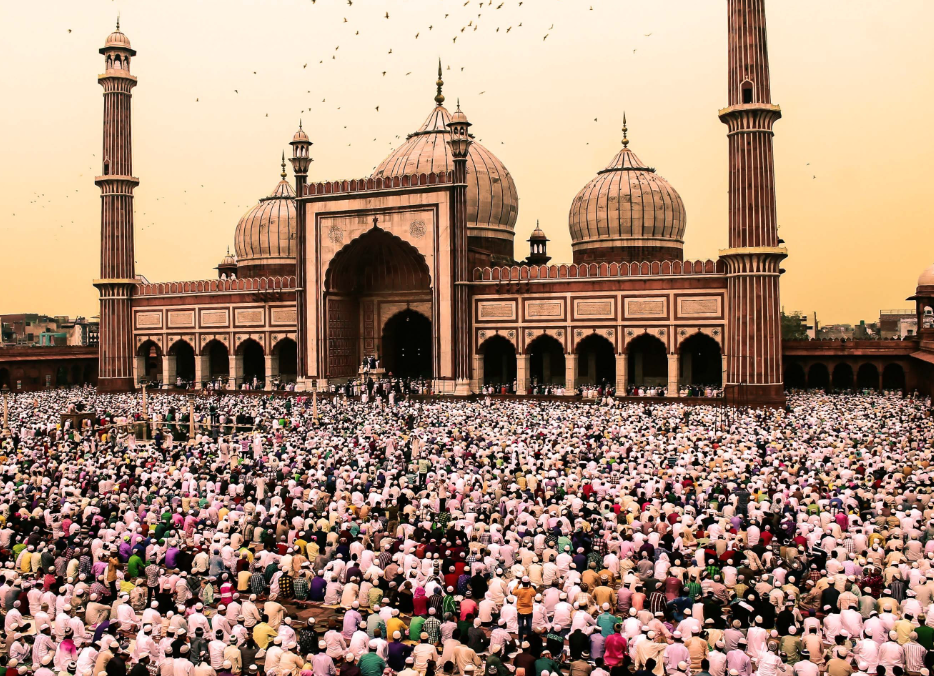
At the end of Ramadan comes Eid al-Fitr, a joyful celebration that marks the completion of the month of fasting. For many students, Eid begins with a morning prayer at the mosque, followed by gathering with friends and family. It is a day filled with gratitude and generosity. Eid serves as a reward and a reminder of the spiritual growth achieved throughout Ramadan. Muslim students at Marriotts Ridge High School often look forward to sharing meals, exchanging gifts, and spending time with loved ones to end the holy month.
Ramadan at Marriotts Ridge High School is a time of spirituality, reflection, and growth for many Muslim students. By fasting from sunrise to sunset, students learn to balance their religious commitments with their academics, extracurriculars, and other responsibilities. The experiences encourage many to prioritize their time, develop resilience, and act with greater intention. Ramadan creates empathy and self-control, while deepening connections to faith. Days turn into meaningful opportunities for personal and spiritual development.
 NEWS AT MRHS
Leave a comment