
By: Ashwini Bandi and Addison Cox
From musical comebacks to unforgettable concerts, the 2026 live music season is lined with an endless number of top artists touring the U.S., ensuring that it will be a legendary year for music. For many fans, however, this season has become an absolute tragedy for their wallets.
The sheer variety of talent hitting the stage this summer is astounding. Harry Styles has once again returned to the big stage with his stadium-filling anthems, alongside the long-awaited comeback performances of Ariana Grande and Bruno Mars. Simultaneously, the small-town nostalgia of Noah Kahan’s folk-pop and Morgan Wallen’s continued dominance in country music appeal to audiences across generations. Rising powerhouses Olivia Dean and Don Toliver reflect the growing diversity of genres shaping contemporary music. Together, it is clear why this tour season is being referred to as one of the defining cultural moments of the year. However, this year, such highly anticipated moments come with a massive price tag.
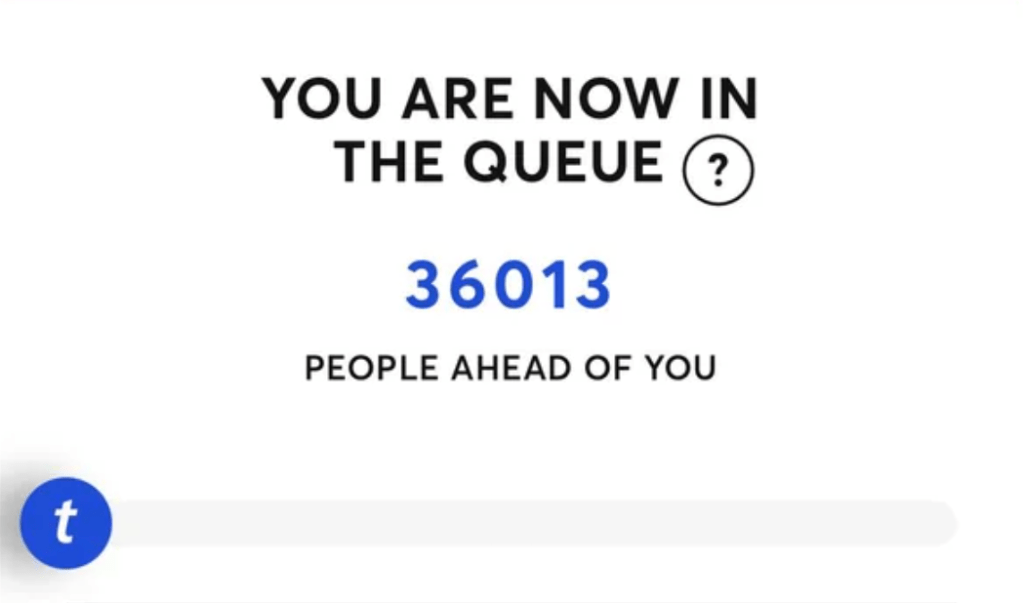
Central to this concern is Ticketmaster, the platform that currently controls the vast majority of ticket sales for major venues. Coming out of the monotony of the pandemic, a storm of record-breaking demand for live music and, therefore, rising inflation caused concert prices to surge. Enraged by the continually outrageous and rising prices, students lose out on filling their weekends with exciting evenings of music, instead forcing them to live at home with their FOMO. Unjustly capitalizing on this increased demand for tickets, Ticketmaster utilizes a concept known as dynamic pricing: Beyond the base prices set by event organizers, this algorithm-driven model adjusts ticket costs based on demand, sometimes adding up to 40% to the final price. In an effort to get a hold of somewhat affordable tickets, students open secret side tabs to wait in queues during school, breaking school rules and risking losing their teachers’ trust. Typically, waiting in these queues doesn’t result in success. Either you conquer the queue, and there are no tickets left, or the tickets you were ready to purchase disappear from your cart like they never existed to begin with. Students have persisted through countless waiting rooms and paid ridiculous prices, unknowingly and effectively following Ticketmaster’s secret plan. Their tactics have proven to be incredibly profitable, helping the company generate an estimated $16 billion between 2019 and 2024. Even more troubling is the extent to which the platform can extract profit from the same ticket again.
Ticketmaster collects a fee on the initial sale, another when that ticket is listed for resale, and a third fee from the fan who eventually buys it. These repeated charges inflate prices, making live music increasingly inaccessible to the very fans who sustain the industry. Ultimately, it is a system designed to ensure the platform wins over the public, leaving fans to wonder if live music is becoming a luxury they can no longer afford, and forcing artists to decide where their priorities truly lie.
Many of us have been sitting in front of our computers, impatiently waiting behind thousands of people for the slight chance of getting tickets— just for them to be miles from the stage. Starting at hundreds of dollars, decent tickets for artists like Harry Styles and Ariana Grande were overpriced, inaccurately resold, and incredibly difficult to attain when navigating Ticketmaster; however, some artists have taken actions to combat this. Olivia Dean, enraged by the inability to offer affordable tickets to her fans, forced Ticketmaster to cap resale tickets at face value. By doing so, Dean enables thousands of fans to purchase seats for a lifelong memory rather than a lingering financial burden. Similarly, both Noah Kahan and Ariana Grande have acknowledged and responded to recurring complaints about exorbitant resale prices. Kahan, in particular, also capped his tickets for his upcoming sale dates.
Whether it’s alongside your best friends, or a stranger you just met, live music connects us in ways nothing else can. There is no better feeling than hearing your favorite song fill the stadium, bringing the melodies outside of your headphones and into the world with other fans just like you. So, Ticketmaster, we kindly ask that you follow in Olivia Dean’s footsteps and make concert-going more affordable in order to transform our personal playlists into shared setlists, without a strain on our wallets.
 NEWS AT MRHS
Leave a comment