
By: Sophia Kibler and Isabella Kennedy
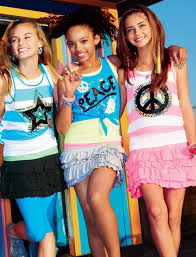
A tween’s introduction into the beauty world typically starts with colorful packaging and shiny glitter. The makeup kit fits in perfectly with the regular repertoire of toys, but to the user, it’s a marker of their newfound maturity. The transition from childhood to teenhood is marked by its unique sense of being a grown up coexisting with childlike wonder. But, since the late 2010s, some have noticed a gradual decline in this market and media space for up and coming teenagers, or, tweens.
“I see a lot of younger kids [in Sephora]. Kids nowadays are more into trendy stuff. They’re more exposed to social media than we were,” sophomore Bonnie Wong shared.
As soon as they hit the double digits, the modern tween hauls themselves over to their nearest Sephora, a makeup store catered to adults. Only a few years ago, the rite of passage into beauty was through the Claire’s in the mall. If lucky, Baby Lips from the drugstore. A possible explanation for the shift in tween consumer behavior could be the normalization of social media usage at younger ages. Companies used to have a carved out niche for girls aged 10-13, but as a byproduct of social media, young girls are only exposed to the lives of young adult women instead, which influences their spending habits. Instead of colorful nail polish and costume eyeshadow, it’s intense skincare and bronzing creams. This lack of age-appropriate products for tweens in the market makes the transition from childhood to teenhood much more stark and intense. Many students share the sentiment that tweens today lack that infamous awkward stage.
“I think the lack of the awkward stage strips kids of their development and the freedom of being a tween,” junior Afsar Basha stated.
This awkward stage of life that many experienced in middle school served a purpose. Though many deem that period of their lives embarrassing, they wouldn’t be the teen or young adult they are today without it. The “awkward phase” was all about trial and error, and provided the freedom of self-expression for those in the tween age group. Especially with the lack of media catered to the age group, tweens are likely to seek out shows and movies intended for older audiences.
“There were a lot more shows and movies catered to the tween age group like ten years ago, now they’re all on Instagram and Tiktok,” junior Sarayu Thatikonda said.
Channels like Teen Nick and Disney XD catered to a tween audience. Now, middle schoolers are more interested in watching Tiktok than Victorious or iCarly. The switch might not be a good one for young tweens. Not-so-subtle messaging in these shows, which often featured themes of friendship and honesty, made their way into tween’s brains, no matter how much they tried to avoid it. Now the messaging has turned around. Instead of kindness and honesty, tweens’ very impressionable brains are exposed to videos of people pranking their partners by pretending to cheat, or provoking others in order to get reactions. These videos are scripted, but they might not appear that way to less media-literate tweens, and the content they create can potentially alter the way tweens see themselves or differentiate between right and wrong.
“Social media gives tweens a platform to compare themselves to trends and what’s cool, even though they’re not the intended audience,” junior Sophia Shaw expressed.
Many worry the switch to social media from TV shows and movies made specifically for tweens could be damaging to their mental health. Many tween shows often preached the importance of self-confidence as tweens watched characters learn they were perfect as they were, and didn’t have to have sparkly glasses to be smart or long hair to be pretty. Social media is radically different, and when tweens watch people spend hours in front of the mirror redrawing their faces, putting on makeup and accessories before running outside to put out the trash, they might begin to think they need those things in order to be pretty or liked. According to junior Gurmann Mohil, another potential effect of social media is that “[It] has done a lot to influence them to make them want to grow up faster.” The teenage years are an important time for growth, and by attempting to skip them, tweens could put their mental health at further risk. But, as the first generation to be born with Tiktok and Instagram, we’ll find out the real consequences when they grow up.
Tween culture has been steadily on the decline for the past few years, but it may not all be negative. With the constant development of new technology, kids today will be in a better position to adapt to the changing world, as long as they can avoid becoming trapped in their devices. Each new generation of tweens will face its own challenges, but as for now, this generation must race the complexities of technology.
 NEWS AT MRHS
Leave a comment