
By: Jesus Mirabal
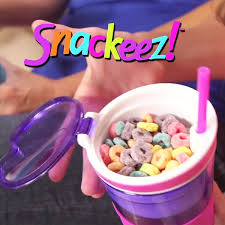
Popular spokesman of the 1900’s, Rosser Reeves believed the best way to sell a product was to capture the interest of the intended buyer. The best way to capture the attention of a potential customer? Entertainment. We’re all aware of the purpose of an advertisement, but in recent years the quality of ads has gone down noticeably. Remember Snackeez? For some, this name instantly conjures up fond memories of cartoon heroes taking a break while fun imagery and creativity occupies the screen. For those less familiar with Snackeez, it was a cup made in 2014 with the ability to hold physical snacks, drinks and was often praised for its unique and memorable approach to advertisement.
Fast forward 12 years, advertisements have changed for the worse in the opinions of students and teachers. Now being in 2026 AI can be seen in every corner of the media; companies being no different. The Coca-Cola advertisements released during Christmas time have consistently maintained their unique artistic flare, featuring the synonymous polar bear that has been the star of the show since 1922. In light of their most recent advertisement, Coke received severe backlash due to the usage of AI. By taking the quickest way to forge an advertisement, they consequently lost the magic that was enforced in each commercial stemming back over 100 years ago.
Back to older advertisements, I took a trip down memory lane myself when asking peers about their favorite advertisements. “My favorite ads were the pillow pets. It felt like corporations were trying to come off as my friend instead of someone trying to sell me something,” sophomore Esra Musa explains.
Sports aren’t for everyone, but the commercials that show during the SuperBowl tend to be a crowd favorite and have remained that way for years. “My favorite ad was Puppy-Monkey-Baby because it was so outlandish. It felt more like a Key and Peele skit than an actual ad,” junior Grant Scollick explains. As Scollick says, advertisements focused more on the enjoyment of the viewer, rather than trying to force the product to sell. Subsequently causing sales in Mountain Dew to spike 34% after the viral commercial. If commercials were so successful, what changed? “It’s like newer ads are trying to be as unrelatable to their audience as possible,” Scollick says. Modern commercials often have popup text, distracting effects, and jokes that don’t land. Oftentimes, this overstimulation directly harms the advertisement, leading viewers to withdraw from becoming a potential customer. With time only going forward, we can only hope corporations will realize what potential customers will really want in terms of advertising, and lean towards clever humor, with actual finesse as was the standard previously.
 NEWS AT MRHS
Leave a comment