
Jesus Mirabal
The human brain is a complex marvel of evolutionary biology. Our sense of touch, motor functions and behavior all has to do with the companion in our cranium. Since the brain has so many different areas of our lives to capture and retain, it’s difficult for it to manage more than a few bodily tasks at a single time. However certain lifestyle choices can encourage the development of our brains, improving stress regulation and strengthening our neural pathways.
Music has been a way of self expression for thousands of years, stemming back to when humans more closely resembled an episode of The Flintstones rather than our current civilization. Despite sticking around for so long, music still holds immense relevancy in our society. Listening to music itself comes with its own benefits, with plenty of sources pointing to stress relief and improved focus. The benefits only enhance when actually playing an instrument.
Brain imaging studies show that playing music engages various sections of the brain which have the power to reshape brain function over time. When playing an instrument, auditory, motor, visual and emotional systems all must act in accordance in order to form a cohesive piece of music. Needless to say, acting in such unison is extremely difficult yet highly beneficial for the individual. Those who consistently play their instruments often establish a cognitive reserve within themselves which has great potential to defend against age-related decline, evidence points towards experienced musicians being less likely to get dementia than the average person. There’s no need to become the next Mozart with your instrument of choice to receive these benefits either. Twenty to thirty minutes of dedicated playtime can still yield the benefits of any other player; however, there’s no qualms with playing until the sun goes down.
There’s more to music than benefits for our brains. Many see music as a way to express emotion. When listening to Prince’s cover of “While my Guitar Gently Weeps”, an emotion is carried through to the audience unique and tailored to that specific performance. This unique expression of music is what makes it addicting to so many, and a large reason why music created by Artificial Intelligence is looked down upon by so many. Technique also carries substantial weight in playing music that is not only impressive, but highly skillful. Niccolò Paganini’s piece, “24 Caprice”, demonstrates his incredible proficiency as a violinist, involving a mastery of muscle memory, with bowing done with the right, and fingering of notes being done with the left. Synchronizing both hands takes tremendous precision and hours of dedication, fundamentally improving attention span and coordination.
Beyond the individual, music serves as a birthplace of community, with groups coming together to enjoy music and enhance their playing experience. Bands and orchestras have created massive impacts in their areas, creating cultures that are known throughout the world. For instance, Nashville Tennessee is well known for its roots in folk and rock music beginning in the 1920’s with little sign of slowing down.
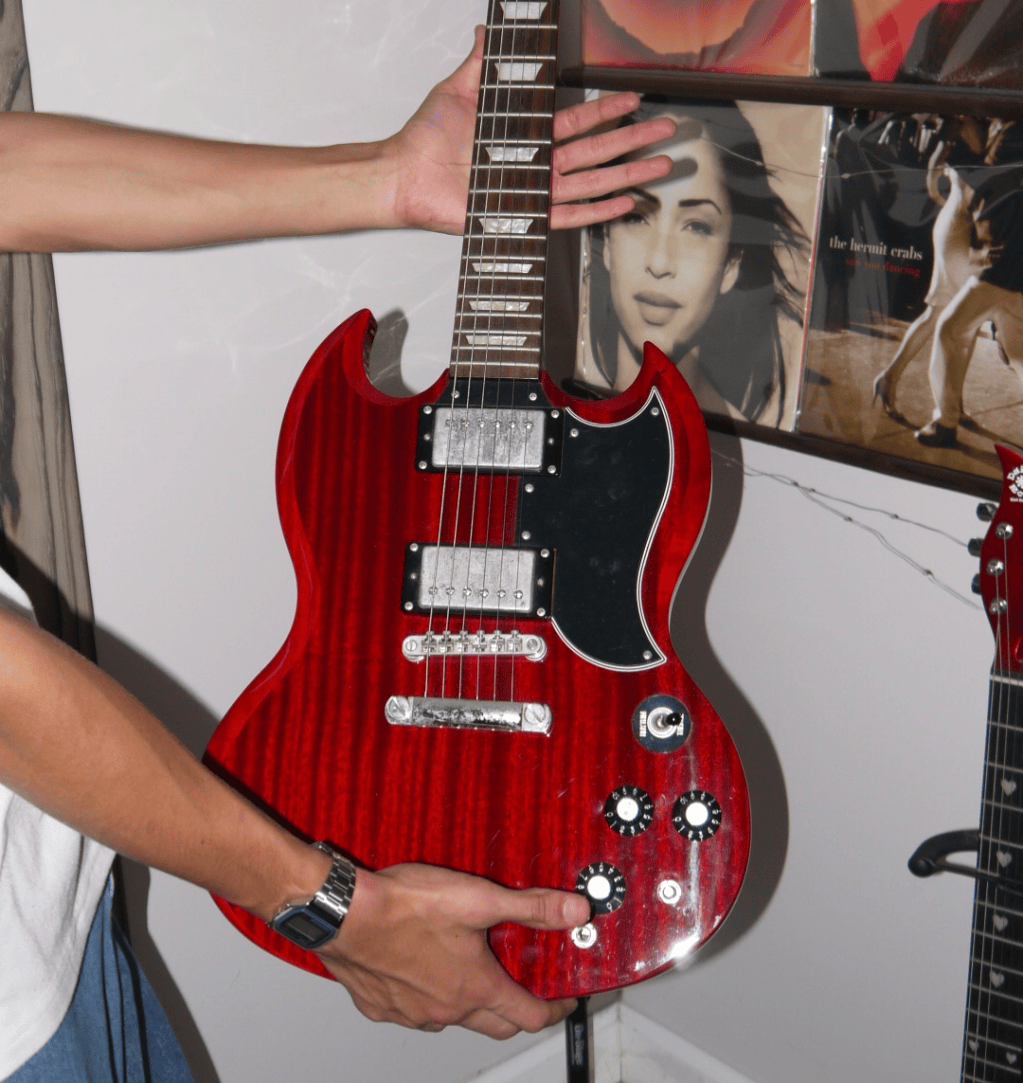
As a self proclaimed guitar wizard, I can say that playing an instrument has improved the general quality of my life, and allowed me to not only enrich my listening experience, but also develop my own playing to match those who inspired me. I recommend the music experience to anyone, especially those who don’t believe they were gifted with the talent of music. Stepping outside of comfort zones is one of the key ways to encourage development.


Leave a Reply